Mental wellness is no longer a luxury in 2026—it’s a daily necessity. Fast-paced digital lifestyles, remote work pressure, economic uncertainty, and constant notifications create a silent layer of stress that affects millions of people. Solo living has increased, anxiety levels have risen, and sleep quality has declined globally.
But there is hope.
AI-powered Android apps are transforming mental wellness by offering personalized stress relief, emotional support, sleep coaching, and mood tracking—right from the palm of your hand. These apps combine psychology, neuroscience, behavioral science, and advanced machine learning to create real-time, adaptive, personal mental health companions.
This guide explores the best AI Android apps for mental wellness in 2026, focusing on:
-
Stress reduction
-
Sleep improvement
-
Mood tracking
-
Emotional support
-
Daily mental resilience
Let’s dive into the tools that can help you build a calmer, healthier, more balanced mind.
Why AI Mental Wellness Apps Are Exploding in 2026


The mental wellness app market has grown faster than any other wellness category in 2026. Why? Because people are seeking fast, accessible, private, and affordable support for managing stress, anxiety, and sleep difficulties.
1. On-demand emotional support
AI companions are available 24/7—no waiting lists, no appointments.
2. Personalized guidance
AI studies your habits, emotional patterns, and responses to tailor support.
3. Non-judgmental conversations
Many users find it easier to express emotions to an AI before talking to a human therapist.
4. Real-time stress detection
Some apps can analyze tone, typing speed, breathing patterns, and heart rate (when synced) to sense stress levels.
5. Science-backed techniques
These apps integrate CBT, mindfulness, breathwork, sleep science, and behavioral coaching.
6. Accessibility & affordability
Most powerful AI wellness apps cost less than $10/month, making mental wellness support available to everyone.
Best AI Android Apps for Stress Relief in 2026
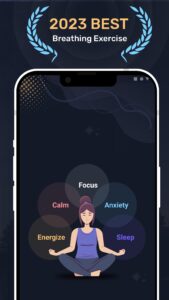
Stress is the #1 mental health issue in 2026, and AI apps have become powerful tools for reducing tension, calming the mind, and restoring balance.
1. Wysa AI (AI Therapy Companion)
Wysa is one of the most advanced AI wellness companions on Android.
Why it’s powerful:
-
Emotional conversation modeling
-
Mood coaching based on CBT
-
Guided calming sessions
-
Personalized stress-reducing routines
-
Real-time detection of distress in text messages
Best for:
People dealing with anxiety, emotional overwhelm, or chronic stress.
2. Calm AI Assistant (2026 Edition)
Calm’s new AI engine adjusts meditations and breathing exercises based on your stress levels.
Features:
-
Adaptive breathing sessions
-
Predictive stress patterns
-
AI-generated calming soundscapes
-
Focus restore breaks
Best for:
Daily stress, work pressure, emotional fatigue.
3. Breathwrk AI (Smart Breathing Coach)
Breathing is one of the fastest ways to reduce stress—and Breathwrk AI personalizes it.
AI Capabilities:
-
Detects shallow or stressed breathing
-
Suggests breathing exercises tailored to the moment
-
Calms the nervous system in minutes
Best for:
People seeking quick, on-the-go stress relief.
4. Mindsera AI (Journaling + CBT Visualizations)
A hybrid between journaling and AI mental coaching.
Key Functions:
-
Mood reflection prompts
-
Mindset analysis
-
Stress visualization tools
-
AI-generated coping strategies
Best for:
Reflective thinkers and self-awareness seekers.
Top AI Sleep Coaching Apps for Deep, Restful Nights

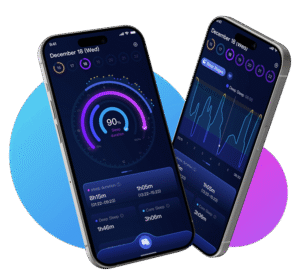
Sleep problems have skyrocketed in recent years. AI sleep coaches help users rebuild healthy nighttime routines, understand their sleep cycles, and wake up more refreshed.
5. Sleep Cycle AI (Behavior-Based Sleep Coaching)
What makes it great:
-
AI learns your sleep patterns
-
Predicts your optimal bedtime
-
Smart wake-up window for better mornings
-
Noise & movement analysis
Best for:
People with irregular schedules or light sleep.
6. Pzizz AI (Cinematic Sleep Audio with AI)
Pzizz generates adaptive soundscapes that guide you into deeper sleep.
AI Features:
-
Personalized audio sequences
-
Mood-based sleeping stories
-
Sleep onset tracking
Best for:
Insomnia, nighttime anxiety, racing thoughts.
7. Rise AI (Energy & Sleep Science Engine)
Rise AI focuses on circadian rhythm optimization.
Strengths:
-
Daily sleep score
-
Energy predictions
-
Sleep debt calculation
-
AI-based bedtime coaching
Best for:
People with demanding work schedules.
8. QuietMind AI (Deep Relaxation System)
A newer 2026 app using neural sound therapy.
Key Features:
-
Deep relaxation tones
-
Anxiety suppression mode
-
Dream quality analysis
Best for:
Users seeking non-traditional, audio-driven calmness.
AI Mood Tracking & Emotional Support Apps
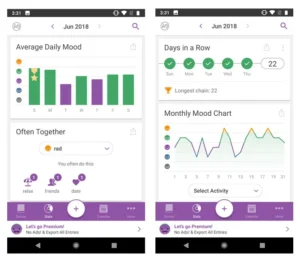
Mood tracking apps help users understand emotional cycles—often revealing patterns they never noticed.
9. Reflectly AI (Emotion Insights Engine)
A beautifully designed AI journaling and mood app.
Strengths:
-
Emotional trend reports
-
Daily motivational reflections
-
Stress-related mood correlations
Best for:
People who want emotional clarity.
10. Youper AI (CBT Emotional Assistant)
Youper is like having a miniature therapist in your pocket.
Capabilities:
-
AI conversation therapy
-
Panic & anxiety assistance
-
Mood prediction
-
Behavior reminders
Best for:
Anxiety-prone users, social anxiety, overthinking.
11. Moodpath AI (Daily Mental Health Assessments)
A structured AI tool that screens emotional well-being.
Features:
-
Daily check-ins
-
Symptom pattern detection
-
Personalized recommendations
Best for:
Users who want deeper understanding of their emotional health.
12. Journo AI (AI-Powered Reflective Journaling)
Tracks emotions through writing.
Why it’s powerful:
-
Reads tone & emotional cues
-
Detects distress patterns
-
Encourages mindful reflection
Best for:
Writers, journalers, and reflective thinkers.
How AI Helps Build Daily Self-Care Habits
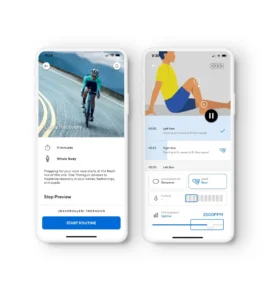
Mental wellness isn’t just about crisis management—it’s about daily habits.
These AI apps help build sustainable routines:
13. Fabulous AI (Habit Ritual Building)
Fabulous uses behavioral science + AI to build routines.
Features:
-
Morning & evening rituals
-
Motivation tracking
-
Stress reduction habits
14. Habitify AI (Smart Habit Planner)
AI analyzes your routine and suggests habits for mental balance.
15. Stoic AI (Cognitive Resilience Tools)
Inspired by Stoic philosophy.
Tools:
-
Daily mindset reprogramming
-
Emotional resilience journaling
-
Stress reframing exercises
Real-World Scenarios: How People Use AI for Mental Wellness

Scenario 1 — Anxiety Attack at Night
Youper AI detects distress → offers step-by-step calming protocol.
Scenario 2 — Trouble Sleeping
Sleep Cycle AI → recommends light stretching + optimized bedtime based on previous nights.
Scenario 3 — Work Stress Peaks
Breathwrk AI → suggests 2-minute stress reset breathing exercise.
Scenario 4 — Feeling Low for Multiple Days
Reflectly AI → identifies pattern → suggests journaling prompt + grounding exercise.
Scenario 5 — Emotional Burnout
Fabulous AI → reshapes daily routine with micro-habits.
Best AI Android Apps for Mental Wellness in 2026
| App | Category | Best Feature | Offline Use | Best For |
|---|---|---|---|---|
| Wysa AI | Stress Relief | AI emotional conversations | No | Anxiety, stress |
| Calm AI | Relaxation | Adaptive meditations | Yes | Daily stress |
| Breathwrk AI | Breathwork | Personalized breathing | Yes | Quick stress relief |
| Sleep Cycle AI | Sleep | Sleep pattern prediction | No | Irregular sleep |
| Pzizz AI | Sleep | Adaptive soundscapes | Yes | Deep relaxation |
| Reflectly AI | Mood | Emotional insights | Yes | Emotional clarity |
| Youper AI | Therapy | CBT-based AI dialogs | No | Anxiety & overthinking |
| Fabulous AI | Self-care | Habit building | Yes | Daily routines |
FAQ
1. Are AI mental wellness apps reliable?
Yes. Most 2026 apps use evidence-based psychology and advanced machine learning for emotional insights.
2. Do AI sleep apps really improve sleep quality?
Absolutely—AI identifies patterns humans often miss and adjusts coaching automatically.
3. Are AI mental wellness apps safe?
Yes. Most apps use encrypted storage and anonymized emotional data.
4. Do these apps replace therapists?
No. They support your daily mental wellness but do not replace clinical treatment.
5. Are most features available for free?
Many apps offer free basics, but full AI features usually require premium plans ($5–$10/month).

Conclusion
Mental wellness is one of the most important pillars of a healthy life. With the rise of AI Android apps in 2026, support is becoming more personalized, accessible, and intelligent than ever before. Whether you’re struggling with stress, sleep issues, emotional imbalance, or simply want to adopt healthier routines, AI tools can guide you toward a more peaceful and balanced mind.
These apps aren’t just software—they’re daily companions that help you breathe better, sleep deeper, reflect smarter, and live calmer.
Your mental health matters.
And now, thanks to AI, caring for it has never been easier.