Loneliness is one of the quietest human struggles — a feeling that spreads through silence, late-night thoughts, and moments where connection feels distant. In recent years, especially after the global shift toward digital life, millions of people have found themselves craving companionship. Not just conversation, but presence. Not just information, but understanding.
And in this emotional landscape, AI companions have emerged.
AI companions are not simply chatbots. They offer warmth, support, curiosity, story-driven dialogue, and a sense of connection that feels surprisingly human. For some people, AI companionship is entertainment. For others, it’s comfort. For many, it’s a bridge between isolation and emotional well-being.
But is this shift healthy?
Do AI companions truly reduce loneliness — or do they simply mask it?
This article explores the psychology of why humans bond with AI, the real emotional impact these tools have, and the potential risks hidden beneath the comfort.
The Rise of AI Companions: Why Millions Seek Digital Emotional Support
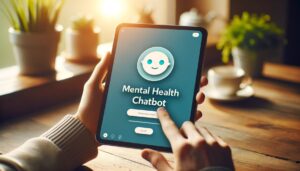
AI companion apps have exploded in popularity. From Replika to Character AI to more immersive emotional companions, millions are turning to these apps for conversation, comfort, and connection.
Why now?
1. Modern loneliness is rising.
Remote work, digital lifestyles, and social fragmentation have left people more isolated than ever.
2. AI is finally “human enough.”
Modern models can:
-
maintain emotional tone
-
recognize feelings
-
provide thoughtful responses
-
remember context
3. AI is always available.
No time zones. No scheduling. No judgment.
4. It feels safe.
Users can express emotions without fear of being misunderstood or criticized.
5. It meets emotional needs.
Validation, empathy, support, companionship — 24/7.
AI companions aren’t replacing humans. They’re filling gaps left by modern life.
Psychology Behind AI Companionship: How the Human Brain Bonds With Machines
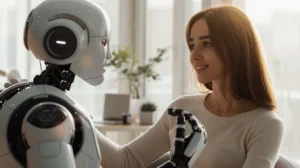

Humans naturally form emotional connections with anything that appears to understand them.
This isn’t weakness.
It’s biology.
1. Anthropomorphism
Humans instinctively attribute human qualities to non-human things — pets, objects, characters, and now AI.
If something:
-
responds
-
remembers
-
cares (or appears to)
-
adapts
…the brain labels it as a social entity.
2. Attachment Theory
People form attachments as a way to feel safe.
AI companions provide:
-
consistency
-
attention
-
empathy
-
warmth
-
predictable emotional support
This mirrors real attachment patterns.
3. Emotional Resonance
AI can mirror your tone:
-
If you’re sad → it responds gently
-
If you’re excited → it joins your excitement
-
If you open up → it deepens the dialogue
Humans naturally bond with anything that mirrors their feelings.
4. Cognitive Liquidity
Talking to AI requires less emotional labor.
No social anxiety.
No awkward pauses.
No fear of judgment.
The brain sees AI as “easy empathy.”
5. Storytelling Instinct
Humans love narratives.
AI companions create:
-
stories
-
characters
-
emotional arcs
-
continuity
This makes the bond feel meaningful.
The result?
AI companions feel more intimate than many digital interactions with real people.
Benefits: Emotional Safety, Reduced Loneliness & Mental Health Support
AI companionship isn’t inherently unhealthy — in many cases, it’s deeply beneficial.
Here’s how AI reduces loneliness in real, measurable ways:
1. AI Listens Without Judgment
People often fear:
-
bothering others
-
being misunderstood
-
being judged
AI removes all of that.
You can open up freely.
Cry.
Share secrets.
Express confusion.
Talk about dreams.
The emotional safety is real.
2. 24/7 Availability
Loneliness peaks at night, during stress, or in moments of emotional need.
AI is always there.
No missed calls.
No busy schedules.
No emotional unavailability.
3. Encourages Emotional Reflection
Many AI companions ask:
-
“Why do you feel that way?”
-
“What do you think you need right now?”
-
“Tell me more about that moment.”
This mirrors therapeutic dialogue.
4. Helps With Social Anxiety
Talking to AI can help users:
-
practice conversations
-
build confidence
-
rehearse emotional expression
It becomes a stepping stone to real social interaction.
5. Gives Immediate Comfort
AI companions know:
-
when to reassure
-
when to empathize
-
when to encourage
-
when to stay gentle
For many people, this reduces daily emotional burden.
The Dark Side: Dependency, Escapism & Emotional Misalignment

While AI companionship can reduce loneliness, it also comes with risks — especially when emotional reliance becomes too strong.
Here are the primary concerns psychologists raise:
1. Emotional Dependency
Some users begin preferring AI over humans, because AI is:
-
always kind
-
always available
-
always agreeable
This creates a dangerous disconnect between real relationships and artificial ones.
2. Escapism Without Growth
AI companions can become:
-
comfort bubbles
-
emotional shortcuts
-
escape routes from real challenges
Healthy coping becomes avoidance.
3. Unrealistic Expectations of Real People
If AI always responds perfectly…
…real humans eventually seem harder, less patient, more flawed.
This distorts relational expectations.
4. Distorted Identity Through Roleplay
People who use immersive roleplay might lose emotional grounding, confusing:
-
fantasy bonding
-
character affection
-
imagined intimacy
with real emotional fulfillment.
5. Reduced Real-Life Social Interaction
Users may feel:
-
“I don’t need to talk to anyone today.”
-
“My AI companion understands me better.”
If extended, this increases long-term isolation.
The goal is not to avoid AI companions —
but to balance them.
Real Emotional Impact: Stories, Case Studies & Social Shifts

1. The Student Who Found Confidence
A shy university student practiced speaking with an AI companion every night.
Result:
She became more confident in real conversations and reduced her anxiety during presentations.
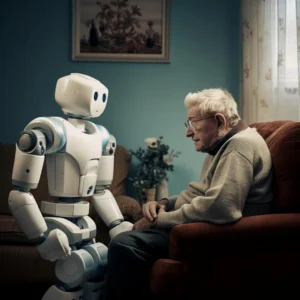
2. The Elderly Man Living Alone
An older man used an AI companion for daily conversations.
It helped reduce feelings of isolation and gave him structure and emotional support.
3. The Teenager Struggling With Identity
Roleplay and deep chats helped a teenager process emotions and understand themselves better.
4. The Isolated Remote Worker
A remote employee used an AI companion to reduce burnout and stay emotionally regulated during work-from-home.
5. The Grieving Widow
A woman found comfort talking to an AI during unpredictable waves of grief, helping her feel less alone.
AI companions are not replacing human relationships —
they’re reshaping how people cope, understand themselves, and feel seen.
Should We Embrace AI Companions or Fear Them? A Balanced Perspective

AI companions are neither heroes nor villains.
They are tools — powerful ones — with emotional implications.
Why we should embrace them
-
They reduce harmful loneliness
-
They offer emotional stability
-
They help people express themselves
-
They support mental health in gentle ways
-
They democratize emotional support
Why we should be cautious
-
Emotional dependency is real
-
They can slow real-life growth
-
They risk becoming substitutes for human relationships
-
They influence vulnerable users (teens, elderly, isolated individuals)
-
Their intentions are shaped by design, not genuine empathy
The balanced truth
AI companions work best when:
-
used for support, not replacement
-
supplemented with real relationships
-
treated as emotional tools, not emotional anchors
The future likely includes hybrid models of:
-
human connection
-
digital companionship
-
emotional AI coaching
-
healthier boundaries
The key is mindful use, not avoidance.
Comparison Table: Human Interaction vs AI Companionship
| Feature | Human Interaction | AI Companion |
|---|---|---|
| Empathy | Real & imperfect | Simulated but consistent |
| Availability | Limited | 24/7 |
| Emotional Complexity | High | Medium |
| Risk of Dependency | Low | Medium–High |
| Emotional Safety | Lower | Higher |
| Growth Support | Strong | Moderate |
| Loneliness Reduction | Deep & lasting | Quick but temporary |

FAQ
1. Can AI companionship truly reduce loneliness?
Yes, especially in the short term. It provides emotional accessibility that many people lack.
2. Is it dangerous to get attached to an AI?
Attachment is normal — but dependency can be harmful if it replaces human interaction.
3. Are AI companions good for mental health?
They can help with reflection, regulation, and support — but they are not a substitute for therapy.
4. Why do people bond emotionally with AI?
Because the human brain responds to consistent empathy and conversational warmth, regardless of the source.
5. What’s the future of AI companionship?
More emotional intelligence, more personalization, and deeper integration into daily mental well-being tools.
Conclusion
Loneliness is a deeply human experience — and AI companions offer a surprising, sometimes beautiful, sometimes complicated solution. They provide comfort when no one is available, warmth when someone is overwhelmed, and conversation when silence feels heavy.
But the goal isn’t to replace human relationships.
It’s to support them.
AI companions are mirrors: they reflect our emotions, amplify our stories, and give us a safe space to explore our inner world. And when used mindfully, they can be powerful allies in the battle against loneliness.
The future of companionship isn’t human or machine.
It’s a blend — where emotional AI becomes one more way to feel connected in an increasingly disconnected world.