Every creative idea begins with a feeling — a spark, a vibe, a visual tone you can’t quite describe but can sense deeply. In the past, capturing that feeling required cutting magazines, browsing Pinterest for hours, or designing collages manually in complex software. That process was time-consuming, scattered, and often overwhelming for beginners.
But AI has changed everything.
Today, with nothing more than a few text prompts, you can create stunning moodboards filled with color palettes, aesthetic themes, character vibes, fashion textures, interior concepts, storytelling elements, and visual identities — all without design skills.
AI moodboards aren’t just images; they’re a visual language that helps you understand your creative direction. They turn your ideas into clusters of visuals you can use for:
-
content creation
-
personal branding
-
fashion inspiration
-
interior design
-
storytelling
-
editing styles
-
aesthetic experiments
This guide will teach you exactly how to build professional-looking moodboards using only text prompts. You’ll learn how to define a theme, write powerful prompts, generate cohesive visuals, arrange your moodboard, and refine the overall look — all as a total beginner.
Let’s turn your imagination into aesthetic reality.
What Is an AI Moodboard and Why It’s a Creative Superpower for Beginners
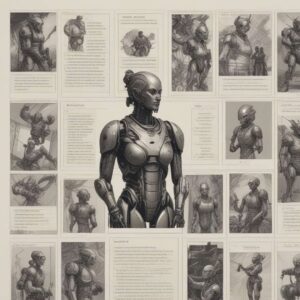
A moodboard is a visual summary of an idea — a collection of images that define mood, color, style, and aesthetic direction. It’s a creative compass.
AI Moodboard = Moodboard Created Automatically With Text Prompts
Instead of searching for dozens of images and hoping they fit, you simply tell the AI:
-
the vibe
-
the theme
-
the colors
-
the style
-
the emotion
And in seconds, you get a set of aesthetic visuals that feel cohesive and intentional.
Why AI Moodboards Are Perfect for Beginners
1. You don’t need design experience
AI handles:
-
color harmony
-
composition
-
lighting
-
texture choices
-
visual balance
You simply describe what you want.
2. Moodboards give clarity
They help beginners understand:
-
what they like
-
what feels inspiring
-
what style they gravitate toward
-
what visual direction suits their project
3. They’re fast
What once took hours can now be done in minutes.
4. They’re perfect for any project
AI moodboards can be created for:
-
digital art
-
editing aesthetics
-
fashion outfits
-
interior style
-
brand identity
-
character design
-
story tone
-
color palette exploration
5. They remove creative pressure
It’s pure exploration — no perfection needed.
AI makes your imagination visible.
Understanding How Text Prompts Become Moodboard Visuals
AI turns text prompts into visuals using three simple elements:
1. Theme Words
These define the main idea.
Examples:
-
“cottagecore”
-
“cyberpunk”
-
“soft girl aesthetic”
-
“dark academia”
-
“minimal workspace”
2. Vibe Words
These express the emotion or atmosphere.
Examples:
-
dreamy
-
moody
-
cozy
-
luxurious
-
vibrant
-
nostalgic
3. Detail Words
These shape visual richness.
Examples:
-
warm backlighting
-
pastel tones
-
golden reflections
-
grainy texture
-
soft blur
-
neon glow
When combined, they guide the model into creating visuals that feel intentional and unified.
Concept vs Detail Prompts
-
Concept prompt → broad, thematic
-
Detail prompt → specific elements
For moodboards, you need both.
Example:
Concept:
“Cozy autumn aesthetic, warm tones, gentle lighting.”
Detail:
“Pumpkin spice latte on a wooden table, soft morning fog, knitted sweater texture.”
Together they build a visual identity.
Step-by-Step: Building Your First AI Moodboard Using Only Text
Let’s create a complete moodboard from scratch.
Step 1: Choose a Theme
Before writing any prompt, define what your moodboard is about.
Here are beginner-friendly themes:
-
Soft Girl Pastel Aesthetic
-
Moody Dark Academia
-
Clean Minimal Workspace
-
Cozy Autumn Vibes
-
Cyberpunk Neon Streets
-
Dreamy Travel Aesthetic
-
Vintage Film Look
-
Luxury Gold & Black Style
Choose one theme.
Moodboards fail when themes mix too much.
Step 2: Write a Core Prompt
This is the base instruction that defines your entire moodboard.
Core Prompt Formula:
Theme + Vibe + Color Palette + Style Indicators + Emotional Tone
Example for a pastel moodboard:
“Soft girl aesthetic, pastel pink and lavender palette, dreamy lighting, gentle textures, warm emotional tone, delicate feminine vibe.”
Example for a cyberpunk moodboard:
“Cyberpunk neon city aesthetic, blue and pink neon palette, smoky atmosphere, futuristic mood, reflective surfaces, intense cinematic lighting.”
This becomes the foundation.
Step 3: Generate 6–12 Visual Elements
Each visual captures one part of your theme.
Examples for “Soft Girl Pastel”:
-
“pastel desk setup with soft sunlight and cute stationery”
-
“cotton clouds in dreamy pastel tones”
-
“pink latte with cream swirl on a cozy morning table”
-
“pastel bedroom aesthetic with fairy lights”
-
“gentle floral arrangement with soft glow”
-
“cute outfit layout in pastel pink and white”
You write 6–12 similar prompts with the same palette + vibe words.
This creates consistency.
Step 4: Arrange Your Moodboard
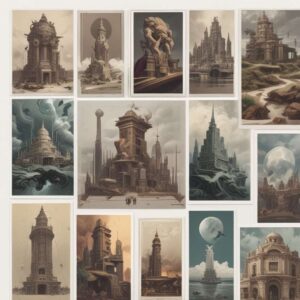
Once you have visuals, you can arrange them into:
Option A — Grid (3×3)
Clean and simple for social media.
Option B — Vertical Collage
Great for Pinterest and Instagram Stories.
Option C — Cinematic Strip
Row of 4–6 visuals, aesthetic and modern.
Option D — Randomized Digital Collage
For a more scrapbook-like mood.
Make sure to:
-
keep white space even
-
mix close-up + wide shots
-
group similar colors together
-
avoid placing heavy visuals next to each other
Composition improves moodboard impact.
Step 5: Refine the Moodboard
Refinement makes the moodboard feel professional.
How to refine:
-
remove low-quality outputs
-
adjust color balance
-
keep repeating styles
-
ensure visual flow moves left → right naturally
-
define your “hero” image
-
eliminate mismatched textures
Your board should feel like a single idea, not random images.
Step-by-Step: Building Aesthetic Boards for Specific Creative Purposes
Different creative goals require different types of moodboards.
Let’s go deeper.
1. Building a Fashion Inspiration Moodboard
Elements to include:
-
outfit shots
-
textures
-
fabrics
-
accessories
-
color palette
-
vibe photos
Example Prompts:
Prompt 1:
“Soft beige knit sweater aesthetic, cozy warm lighting, close-up texture.”
Prompt 2:
“Neutral outfit flat lay with gold jewelry, minimalist chic vibe.”
Prompt 3:
“Beige trench coat in soft morning fog, elegant feminine tone.”
These build a cohesive aesthetic.
2. Personal Branding Moodboard
Your brand’s essence should be visible immediately.
Elements:
-
tone
-
personality
-
colors
-
textures
-
lifestyle photos
-
typography (if available)
Example Prompts:
“Clean minimal beige aesthetic with a calm, confident tone, crisp highlights, soft shadows.”
“Lifestyle visuals expressing clarity, balance, and simplicity.”
3. Moodboards for Content Creators
These help define:
-
reel style
-
editing tone
-
color grading vibe
-
visual identity
Example Prompts:
“Dreamy cinematic frames with soft glow, pastel palette, gentle movement.”
“Moody nighttime aesthetic with neon reflections and soft grain.”
4. Interior Aesthetic Boards
Perfect for room makeovers or design inspiration.
Example Prompts:
“Warm cozy living room aesthetic, soft lights, wooden textures, earthy tones.”
“Modern minimal workspace, clean lines, white and gray palette, bright sunlight.”
The Art of Writing Moodboard Prompts (Beginner-Friendly Techniques)
Now let’s upgrade your prompting skills.
1. Vibe Stacking
Add multiple emotional adjectives:
-
dreamy
-
gentle
-
nostalgic
-
soft
-
warm
They intensify atmosphere.
2. Palette Anchoring
Call out exact palette:
-
pastel pink
-
deep navy
-
muted beige
-
neon blue/pink
-
earthy brown/green
Palette = consistency.
3. Texture Mapping
Mention textures:
-
glossy
-
grainy
-
velvet
-
linen
-
wooden
-
reflective
Textures make visuals richer.
4. Contrast Control
Tell AI how strong you want lighting or saturation:
-
high contrast
-
soft lighting
-
subtle glow
-
deep shadows
5. Identity Words
Words that define character:
-
elegant
-
mysterious
-
peaceful
-
bold
-
whimsical
They shape personality.
How to Keep Style Consistency Across Multiple AI Images
Consistency is what makes a moodboard look professional.
5 Rules for Consistency:
-
Reuse the same key adjectives
-
Keep the color palette constant
-
Choose one main lighting style
-
Avoid mixing realistic + cartoon styles
-
Generate 2 extra images if one feels out of place
These simple rules elevate your results dramatically.
12 Ready-to-Use Moodboard Themes (with Sample Prompts)
Here are complete, plug-and-play moodboard ideas:
1. Soft Girl Pastel Dream
“pastel pink tones, dreamy soft glow, cute feminine aesthetic”
2. Dark Academia Study Corner
“brown tones, old books, warm shadows, vintage textures”
3. Cyberpunk Neon Streets
“neon blue/pink, rainy reflections, futuristic urban mood”
4. Clean Minimal Workspace
“white + gray palette, bright sunlight, neat arrangement”
5. Cottagecore Forest Vibes
“moss greens, floral tones, cozy rustic warmth”
6. Vintage Film Look
“grainy texture, muted colors, analog warm lighting”
7. Cozy Autumn Energy
“fall leaves, hot drinks, warm brown/orange palette”
8. Futuristic Blue Tech
“cool blue glow, metallic surfaces, sci-fi atmosphere”
9. Coastal Calm Aesthetic
“soft waves, sandy beige, peaceful breeze feeling”
10. 90s Retro Pop
“bright bold colors, playful shapes, nostalgic energy”
11. Luxury Gold & Black Style
“deep black contrast, elegant gold accents, rich textures”
12. Dreamy Cloud Core
“soft clouds, pastel blue/pink, surreal floaty vibe”
Moodboard Type Comparison
| Moodboard Type | Difficulty | Best For | Visual Style | Prompt Complexity |
|---|---|---|---|---|
| Aesthetic Board | Easy | creators, influencers | soft, curated | low |
| Concept Moodboard | Medium | branding, design | thematic | medium |
| Character Moodboard | Medium | storytelling | personality-based | medium |
| Fashion Moodboard | Easy | outfit planning | texture-focused | low |
| Interior Moodboard | Medium | home design inspo | balanced, warm | medium |
FAQ
1. How many images should a moodboard include?
Usually 6–12 visuals give the best balance between clarity and detail.
2. Do I need design skills to create moodboards?
No. AI handles composition and harmony. You handle ideas.
3. How do I keep the color palette consistent?
Reuse palette words like “pastel pink,” “muted beige,” or “neon blue.”
4. What makes a moodboard feel professional?
Visual flow, consistent textures, a stable palette, and clear themes.
5. Can beginners create moodboards for branding or interiors?
Yes. AI makes it easy to explore styles without any technical knowledge.
Conclusion
Moodboards are more than aesthetic collections — they are the visual heartbeat of creativity. With AI, anyone can design moodboards that capture themes, emotions, colors, and artistic direction using nothing but text. Whether you’re planning a brand identity, exploring fashion, designing a room, or building your dream aesthetic, AI gives you the power to express ideas quickly and beautifully.
Your words shape your imagination.
AI turns that imagination into visuals.
And your moodboard becomes the bridge between the two.
For more insights into how AI is reshaping creative workflows, explore research from Harvard’s Digital Creativity Lab.