Attention-Deficit/Hyperactivity Disorder (ADHD) is one of the most commonly misunderstood childhood conditions. For many families, ADHD is not simply a medical label—it’s a daily experience filled with overflowing energy, unpredictable emotions, difficulty with routines, forgotten tasks, disrupted homework sessions, and endless attempts to maintain focus.
Parents often describe it as trying to guide a brilliant mind that runs faster than the world around it.
But 2026 has brought something new: AI-powered Android apps built specifically for kids with ADHD.
These apps can help children:
-
strengthen focus
-
organize tasks
-
regulate emotions
-
learn more effectively
-
track behavior
-
build healthy routines
And they help parents by:
-
analyzing patterns
-
breaking down behavior triggers
-
giving actionable insights
-
reducing daily stress
AI isn’t a replacement for therapy, medication, or parental support.
But it is a powerful companion—one that works 24/7, adapts to each child’s needs, and transforms learning and behavior into a more manageable journey.
This article explores the best AI Android apps for ADHD kids in 2026, combining the latest research in child psychology with machine learning and kid-friendly design.
Understanding ADHD in Kids: Why AI Tools Matter in 2026

ADHD affects millions of children worldwide. It comes in several forms:
-
Inattentive type (focus issues, forgetfulness)
-
Hyperactive type (high energy, impulsivity)
-
Combined type (a mix of both)
The biggest challenges children face are:
-
difficulty starting tasks
-
forgetting instructions
-
emotional overwhelm
-
trouble sitting still
-
inconsistent performance
-
sensitivity to noise or distractions
Traditional tools help, but they don’t adapt.
AI does.
Why AI tools matter:
-
AI personalizes the experience for each child
-
Tracks progress over days, weeks, and months
-
Detects routines, triggers, and behavioral patterns
-
Provides real-time suggestions to parents
-
Turns focus training into fun, gamified activities
-
Supports learning at the child’s own pace
This makes technology not just useful—but transformative.
Best AI Android Apps for Focus Support & Attention Training

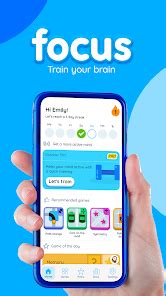
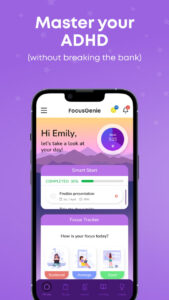
These apps are designed to strengthen working memory, reduce distractions, and gently train the brain to stay on task.
1. Focus Panda AI
A playful yet scientifically backed AI app that helps ADHD kids build stronger attention skills.
Features:
-
3–5 minute focus games
-
AI-generated difficulty levels
-
Personalized daily challenges
-
Progress charts for parents
Best for:
Kids aged 6–12 who struggle to stay engaged.
2. CogniKids Smart Focus
Created with child psychologists, this AI tool adapts to the child’s emotional and cognitive state.
Benefits:
-
Attention-building exercises
-
Voice-guided prompts
-
Hyperactivity calming mode
-
AI-based reward system
Best for:
Kids who need both stimulation and regulation.
3. NeuroSpark AI
A neuroscience-based app designed for improving working memory.
Strengths:
-
Cognitive puzzles
-
AI attention scoring
-
Multisensory activities
-
Parent dashboard for insights
4. Brainly Kids AI (Focus Mode)
Uses AI to reduce distractions during homework.
Capabilities:
-
Sound-based focus enhancer
-
Visual distraction filter
-
Timed focus sessions
-
Child-friendly encouragement messages
AI Behavior Tracking Apps for ADHD Parents
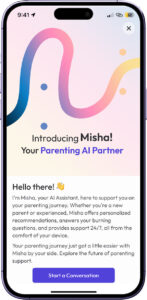
Behavior tracking is one of the most effective ways to support ADHD kids—but it’s hard to do manually. AI simplifies the process.
5. SuperParent AI Behavior Tracker
Records behavior patterns throughout the day.
Features:
-
Tracks emotional spikes
-
Detects routines
-
Finds triggers
-
Suggests solutions
Best for:
Parents who want a clearer picture of daily behavior.
6. BrightChild AI
A behavior analysis tool used by many therapists.
Tools:
-
Impulse pattern tracking
-
Calm-down strategy suggestions
-
Sleep and mood analysis
-
Custom behavior plans
7. ADHD Insight AI
Designed specifically for ADHD-related behavior shifts.
Capabilities:
-
Identifies overstimulation periods
-
Analyzes task difficulty levels
-
Sends alerts during high-risk moments
8. ParentSense AI (ADHD Mode)
Helps parents understand emotional regulation cycles.
Key Features:
-
Behavior logs
-
AI parenting tips
-
Routine stabilization suggestions
Smart Learning Tools for ADHD Kids
ADHD kids learn differently. They often need:
-
shorter lessons
-
visual learning
-
interactive methods
-
frequent feedback
-
adaptive difficulty
These AI learning tools are perfect for that.
9. Khan Academy Kids (AI Mode 2026)
The AI mode adapts lessons to a child’s attention levels.
Features:
-
Personalized pacing
-
Audio explanations
-
Visual focus cues
-
Parent-teacher progress reports
10. ClassHero AI (ADHD Edition)
Created for classroom and homeschool use.
Strengths:
-
Gamified math and reading
-
ADHD-friendly lesson lengths
-
AI study plans
-
Distraction-free UI
11. ReadAlong Google AI
Perfect for kids struggling with reading.
Offers:
-
Live reading feedback
-
Error correction
-
Motivational stars & rewards
12. MathSpark AI Kids
A math-learning AI companion.
Benefits:
-
Short math missions
-
Adaptive challenges
-
Visual problem breakdowns
Emotional Regulation & Routine-Building Apps
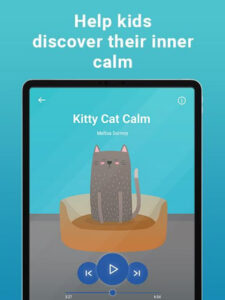
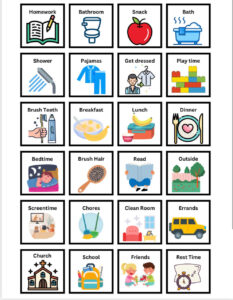
ADHD kids often struggle with emotional swings and irregular routines. These apps bring stability and calm.
13. Moshi AI Calm Assistant
An emotional regulation app used by parents around the world.
Tools:
-
Soothing stories
-
Guided breathing
-
Mood tracking
-
Calm-down exercises
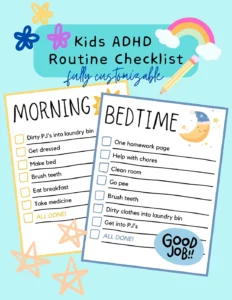
14. ADHD Routine Builder AI
A visual routine-building tool.
Features:
-
Morning and bedtime routines
-
Visual timers
-
Animated task breakdowns
-
Reward badges
15. EmoSense AI Kids
Helps kids identify emotions.
Functions:
-
Emotion naming
-
Guided coping strategies
-
Facial expression interpretation
16. DailySteps Child Planner AI
A simple routine planner for young ADHD kids.
Best for:
Families who need structure without complexity.
Real-World Scenarios: How AI Helps ADHD Kids & Parents

Scenario 1 — Homework Overwhelm
A child can’t start homework.
Brainly Kids AI sets a 5-minute focus timer → reduces resistance.
Scenario 2 — Emotional Meltdown After School
Parent doesn’t know the trigger.
SuperParent AI shows that overstimulation happened around 12:40 pm.
Scenario 3 — Difficulty Waking Up
Routine Builder AI creates a visual step-by-step morning routine.
Scenario 4 — Reading Frustration
ReadAlong AI helps pronounce words and gives instant encouragement.
Scenario 5 — Impulsive Behavior at Night
BrightChild AI detects patterns of hyperactivity and suggests calming activities.
Best AI Android ADHD Apps (2026)
| App | Best For | Key Feature | Focus Training | Behavior Tracking | Price |
|---|---|---|---|---|---|
| Focus Panda AI | Kids 6–12 | Short focus games | Yes | No | Free–$5/mo |
| CogniKids | Emotional kids | Adaptive difficulty | Yes | Partial | $4–$8/mo |
| SuperParent AI | Parents | Behavior insights | No | Yes | $6–$12/mo |
| Khan Academy AI | Students | Personalized lessons | Partial | No | Free |
| ADHD Routine Builder | Families | Task routines | No | No | Free |
| ReadAlong AI | Early readers | Reading support | Partial | No | Free |
| BrightChild AI | Emotional cycles | Calm-down plans | No | Yes | $8–$15/mo |
FAQ
1. Are AI apps safe for ADHD children?
Yes—most use child-safe designs, encrypted data, and no ads.
2. Do these apps replace therapy or teachers?
No. They complement professional support.
3. What age range benefits most?
Ages 5–14, depending on the app.
4. How often should kids use these apps?
10–20 minutes daily is ideal.
5. Can these apps improve school performance?
Yes—especially focus, memory, organization, and reading skills.
Conclusion
Raising a child with ADHD is both beautiful and challenging. Every day brings new energy, creativity, curiosity—and also new difficulties with focus, emotions, or routines. AI doesn’t “solve” ADHD, but it gives families tools to understand, support, and empower their children with more confidence and less stress.
In 2026, AI Android apps offer:
-
personalized learning
-
behavior insights
-
emotional support
-
focus training
-
structured routines
These tools help ADHD kids not just survive, but thrive—in school, at home, and in their emotional world.
Technology doesn’t replace love or parenting.
But it does help families breathe easier and feel more supported.